January 29, 2026
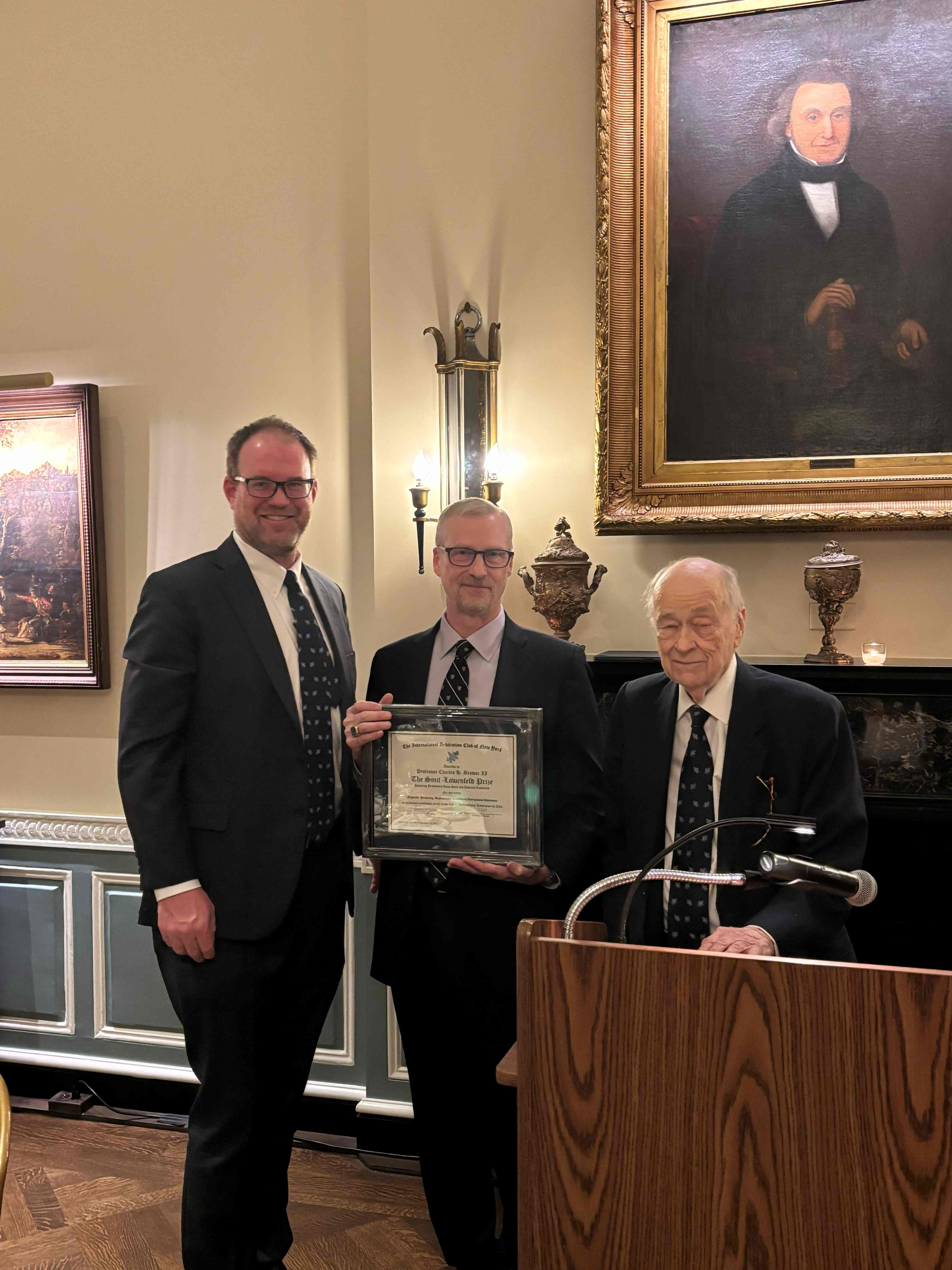
Charles “Chip” Brower II, Distinguished Service Professor and Foster Family Research Scholar at Wayne State University Law School, will be awarded the 2024 Smit-Lowenfeld Prize, one of the most prestigious honors in the field of international arbitration. Brower is the first scholar ever to receive the prize twice, having previously earned the distinction in 2012.
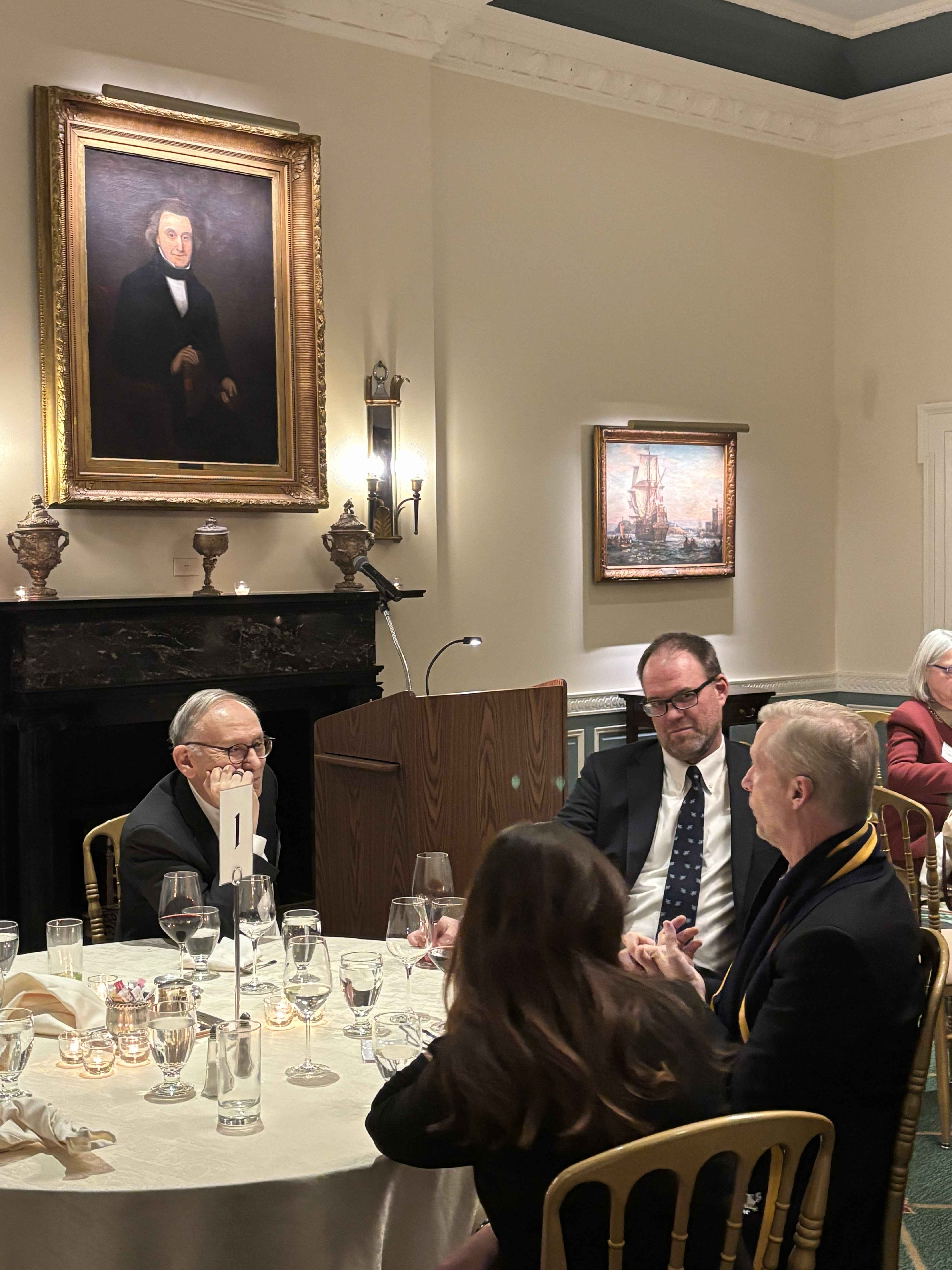
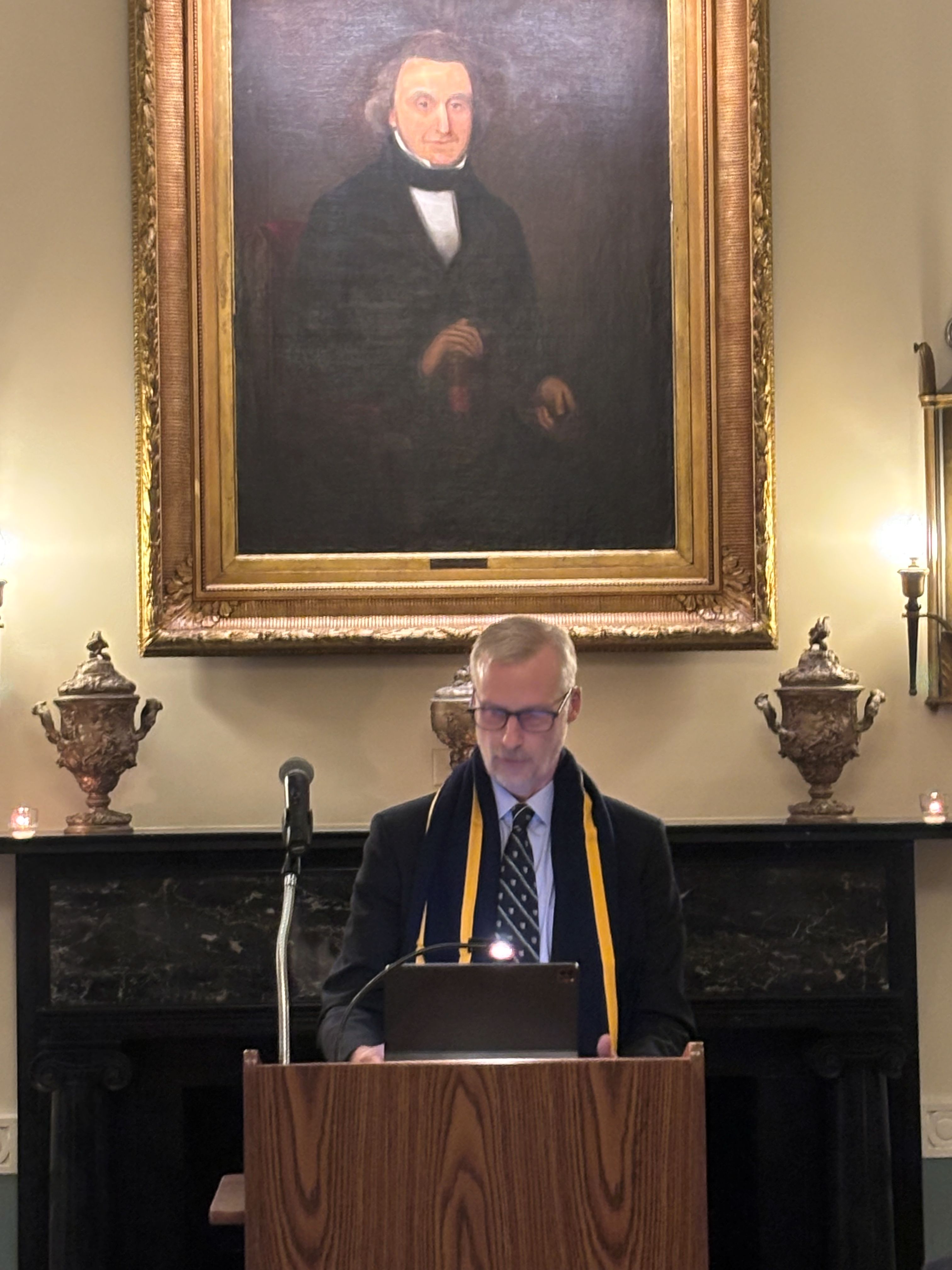
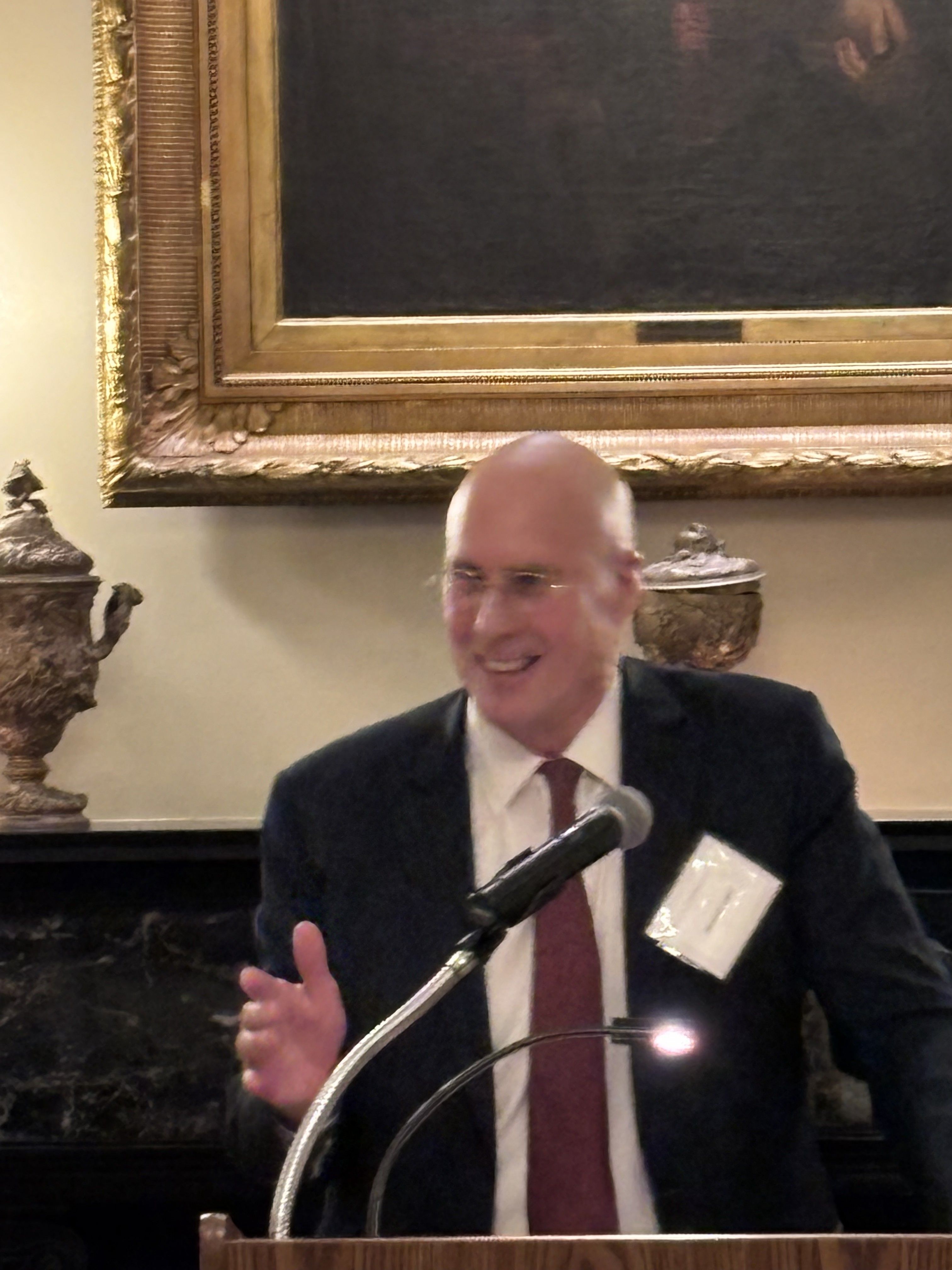
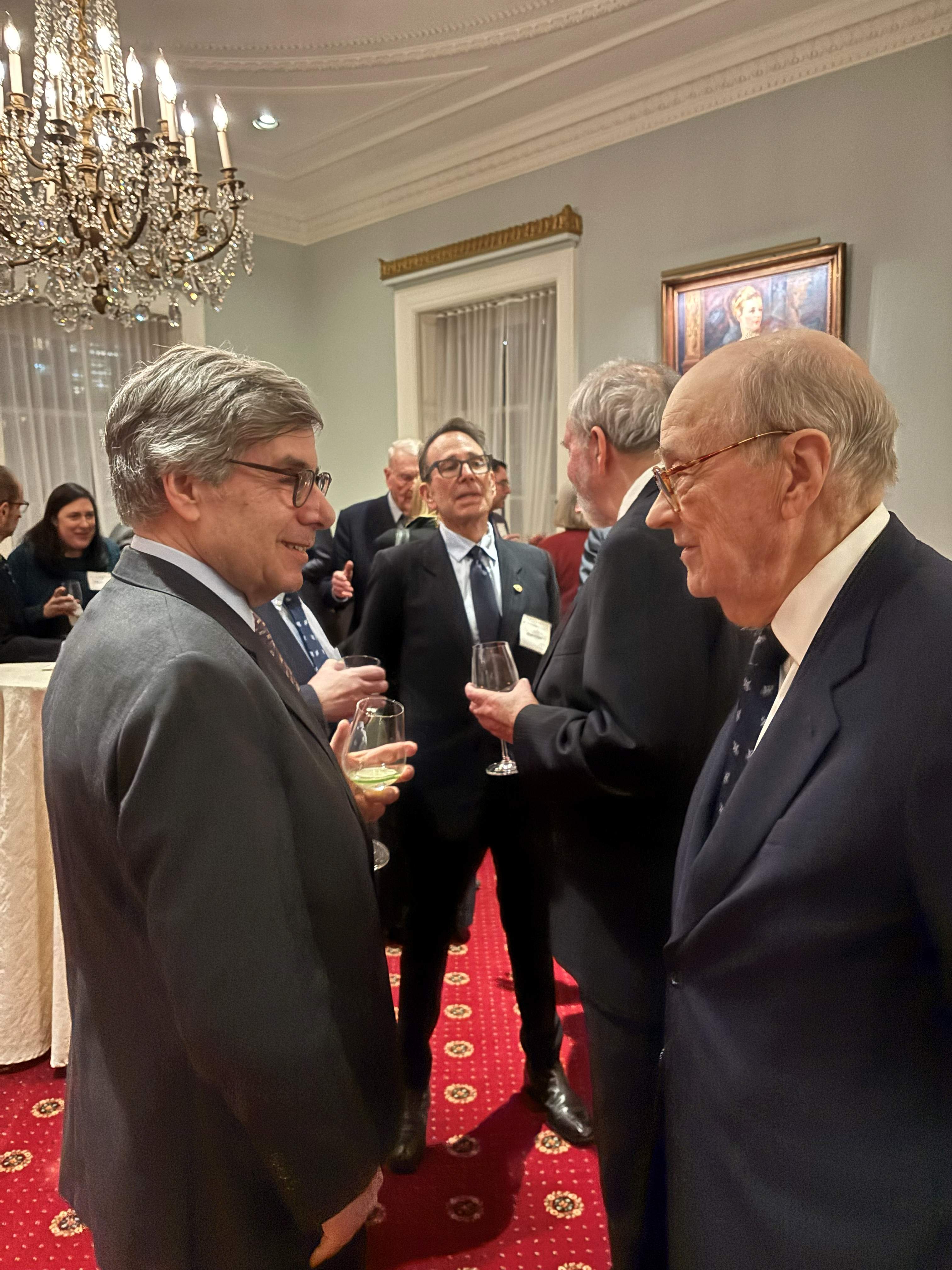
The prize, which commemorates the distinguished New York arbitrators, Professor Andreas Lowenfeld of NYU Law School and Professor Hans Smit of Columbia Law School, recognizes outstanding scholarship in international arbitration. Both Lowenfeld and Smit were not only influential educators in the field but also frequently served as arbitrators in major international disputes. The award dinner, hosted by the International Arbitration Club of New York, brought together leading figures in arbitration to celebrate Professor Brower's contributions to the discipline.
Presented annually by the International Arbitration Club of New York, the Smit-Lowenfeld Prize recognizes the year’s most outstanding article on international arbitration. Brower’s winning article, “Neglected, Perplexing, Unpredictable: Remedies in International Commercial Arbitration” (102 Neb. L. Rev. 485 (2024)), offers a groundbreaking analysis of one of arbitration’s most overlooked yet critical topics: remedies.
Brower’s research underscores a striking reality; despite their centrality, remedies remain understudied, inconsistently analyzed, and unpredictable in arbitral practice. Brower’s work confronts this gap head-on through a comprehensive review of existing scholarship and a new framework designed to increase clarity and predictability for tribunals and parties alike.
The Smit-Lowenfeld Prize jury, chaired by Thomas ("Ted") Lynch of Jones Day and including several other Club members selects the winning article through a rigorous, multi-stage review, evaluating submissions for originality, analytical rigor, writing quality, and significance to the field. Articles are blind-reviewed, and no weight is given to an author’s reputation or publication venue. Recipients receive an honorarium presented at a ceremony in New York on January 29, 2026.